Machine and automation frames
Modular structures, guards, workstations, equipment bases, fixtures, and reconfigurable assemblies.
Application pathway
Purpose-built sections for machinery, enclosures, automation, transport, and thermal management.
Application guide
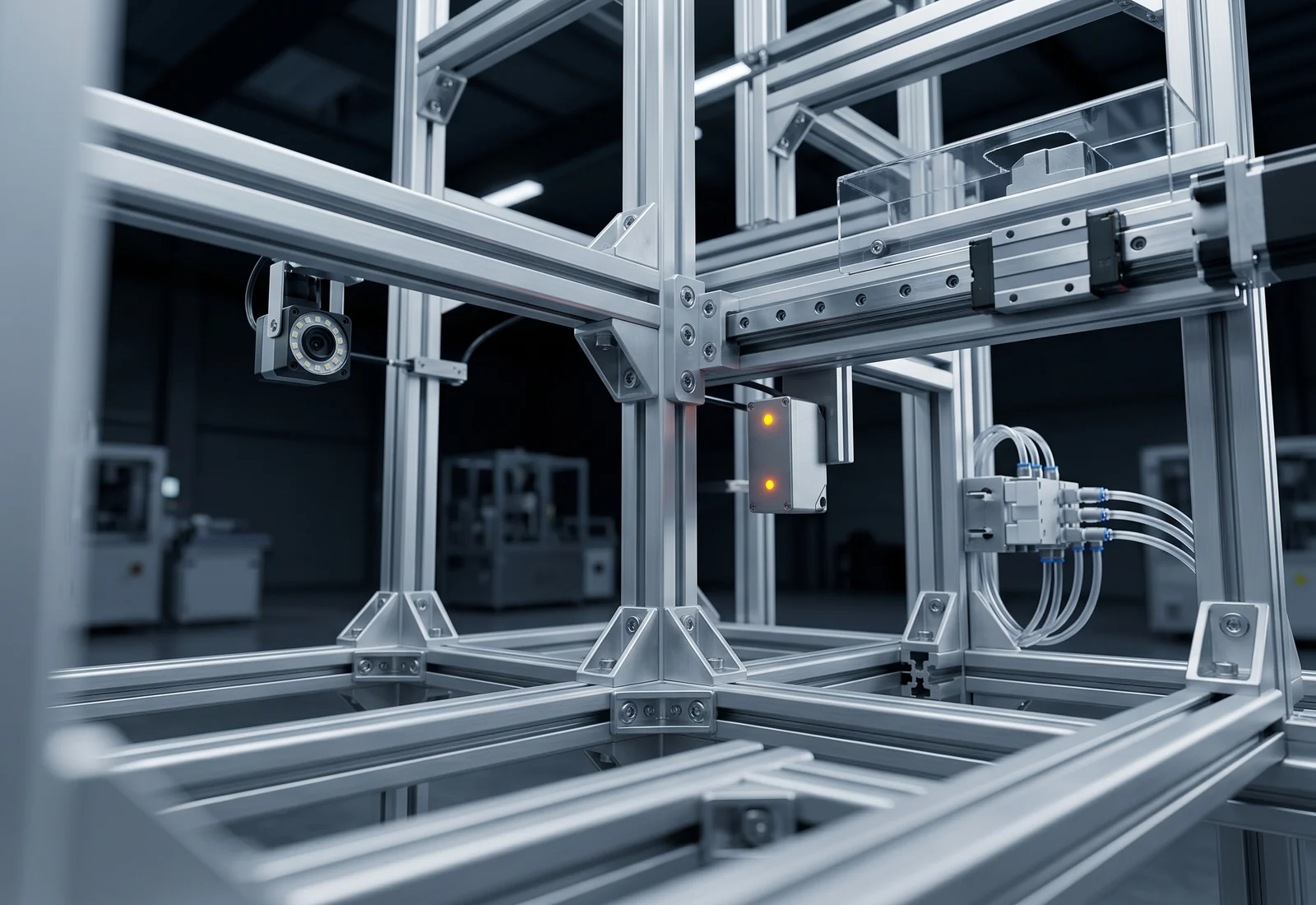
Industrial extrusion turns a constant cross-section into a functional component. Ribs, slots, screw ports, fins, locating faces, cable paths, snap features, and finished surfaces can be combined to reduce separate parts and downstream operations.
Modular structures, guards, workstations, equipment bases, fixtures, and reconfigurable assemblies.
Frames, covers, panel edges, electronics housings, LED channels, and access components.
Vehicle bodies, cargo systems, ladders, furniture, racks, and lightweight structural assemblies.
Heat sinks, filter frames, conveyor guides, supports, and application-specific process profiles.
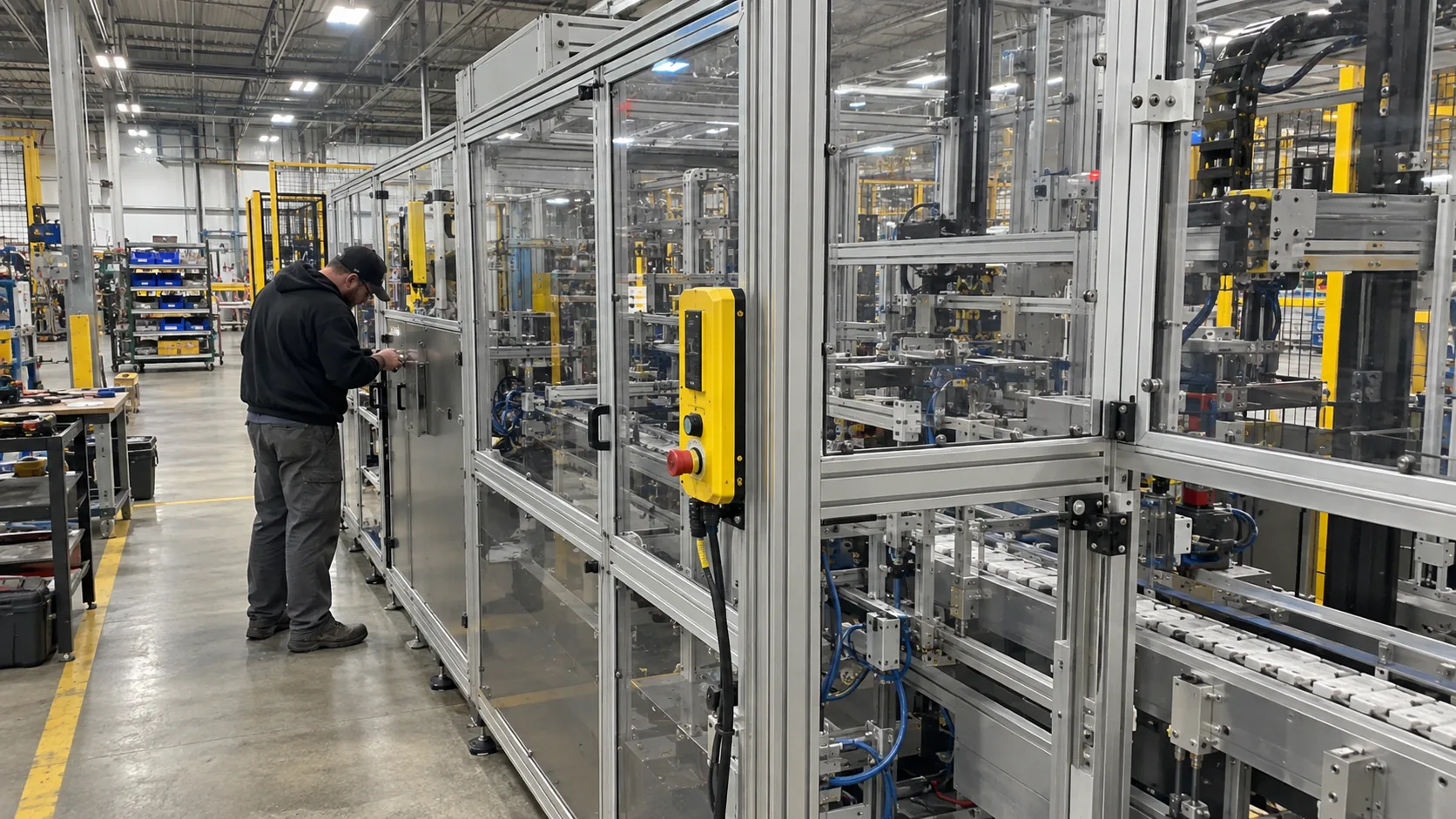
Machine frame field view
This illustrative field visual shows a modular aluminium machine frame, guarding, conveyor interfaces and a technician check. It is representative only; loads, guarding, fasteners and safety validation require project-specific engineering.
Assembly mechanics
These principles explain the role of the extrusion inside the finished assembly. Final dimensions and performance must be checked against the project design and selected hardware.
Principle 01
Material is placed around load paths, interfaces, fasteners, seals, heat flow, or visible faces instead of using a generic block.
Principle 02
Slots, shoulders, bosses, and channels create repeatable datums for panels, fasteners, inserts, bearings, or electronics.
Principle 03
Cutting, drilling, tapping, milling, bending, joining, and finishing turn the continuous extrusion into an assembly-ready part.
Principle 04
Critical dimensions, twist, straightness, cut length, machining position, and finish are checked against the agreed drawing.
Engineering fit
Common requirements
Profile response
Technical decision points
Span, supports, force direction, deflection, vibration, impact, and joint behaviour determine material placement.
Wall balance, hollow features, radii, tongues, pockets, and section size influence manufacturability and consistency.
Separate truly functional dimensions from general dimensions and define datums around the final assembly.
Strength, extrudability, machining, bending, welding, anodizing, and finish requirements guide material selection.
Tool access, workholding, burr control, thread engagement, insert method, and joining sequence should be designed together.
Tooling, sampling, cut yield, batch size, annual demand, packaging, and stock policy shape the production route.
Practical technical facts
Integrated grooves, bosses, and locating faces may replace brackets, spacers, or separate covers.
Inspection and machining are more reliable when reference faces reflect how the component mates in the final product.
Anodizing or powder coating can affect tight fits, sliding surfaces, thread preparation, and cosmetic acceptance.
Added surface area only improves cooling when heat reaches the profile and air can move around the fins.
Profile pathways
 Machinery & Fabrication
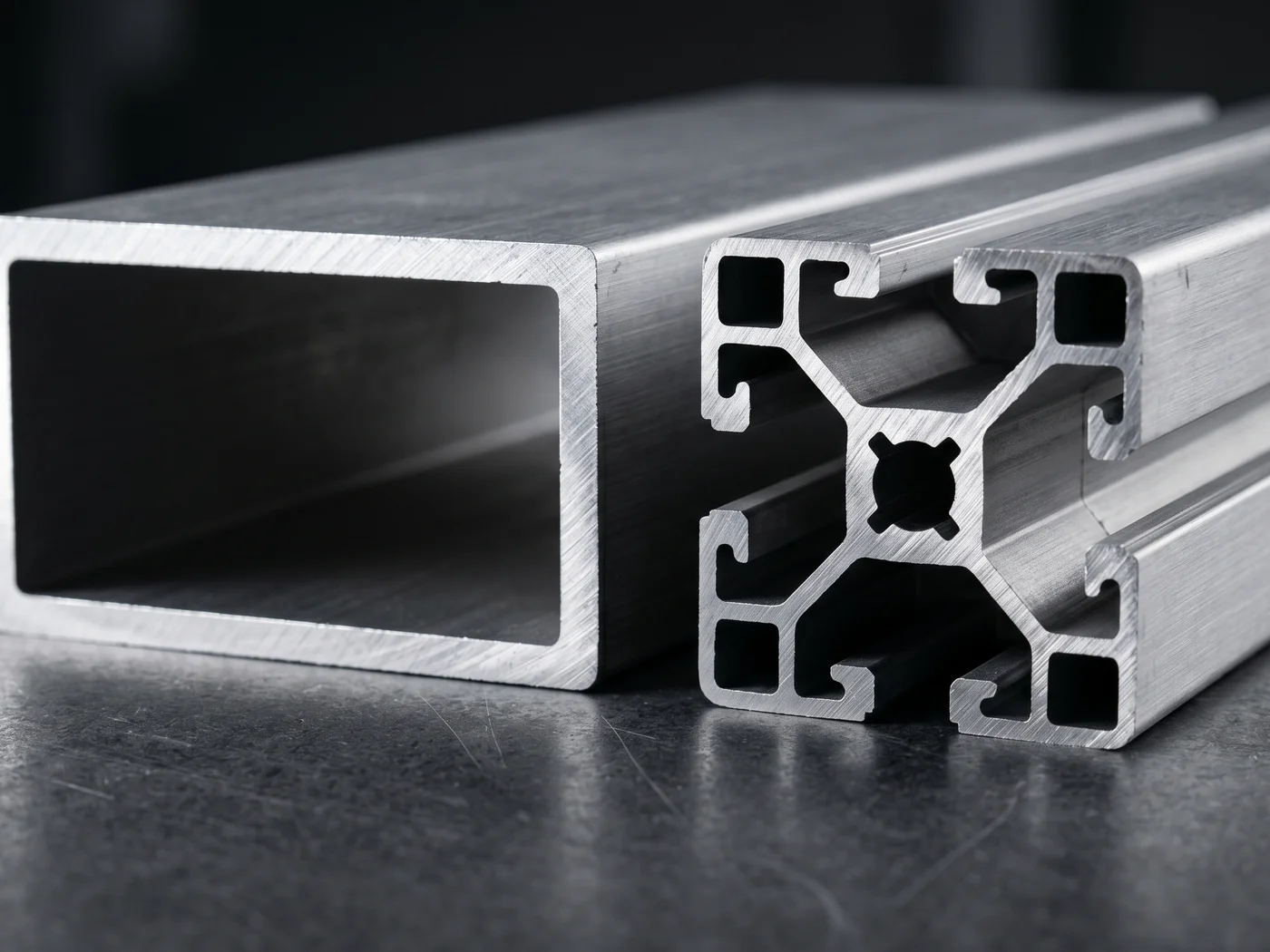
Structural, thermal-management, enclosure, and automation sections for industrial applications.
 Designed Around Your Application
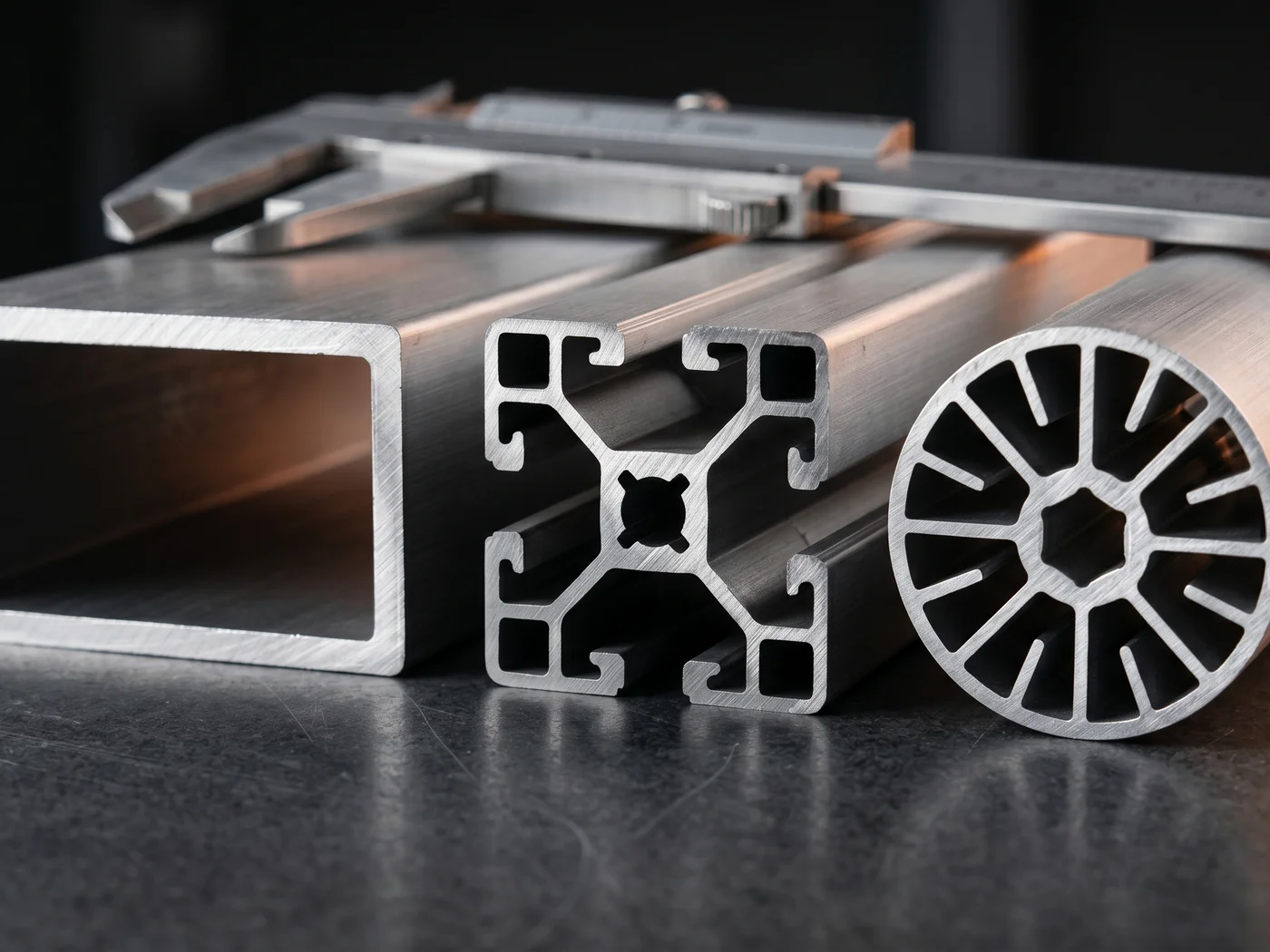
Application-specific profiles developed from drawings, samples, performance needs, and fabrication constraints.
Drawing-led RFQ
Send the cross-section and application context for manufacturability review. Customer-specific geometry remains confidential and is not published as a case study.