Coach windows and glazing
Outer frames, glazing pockets, beads, mullions, drainage chambers, trim covers, and interfaces for fixed or opening windows.
Application pathway
Profiles for coach windows, doors, interior panels, equipment frames, luggage frames, and lightweight structural assemblies.
Application guide
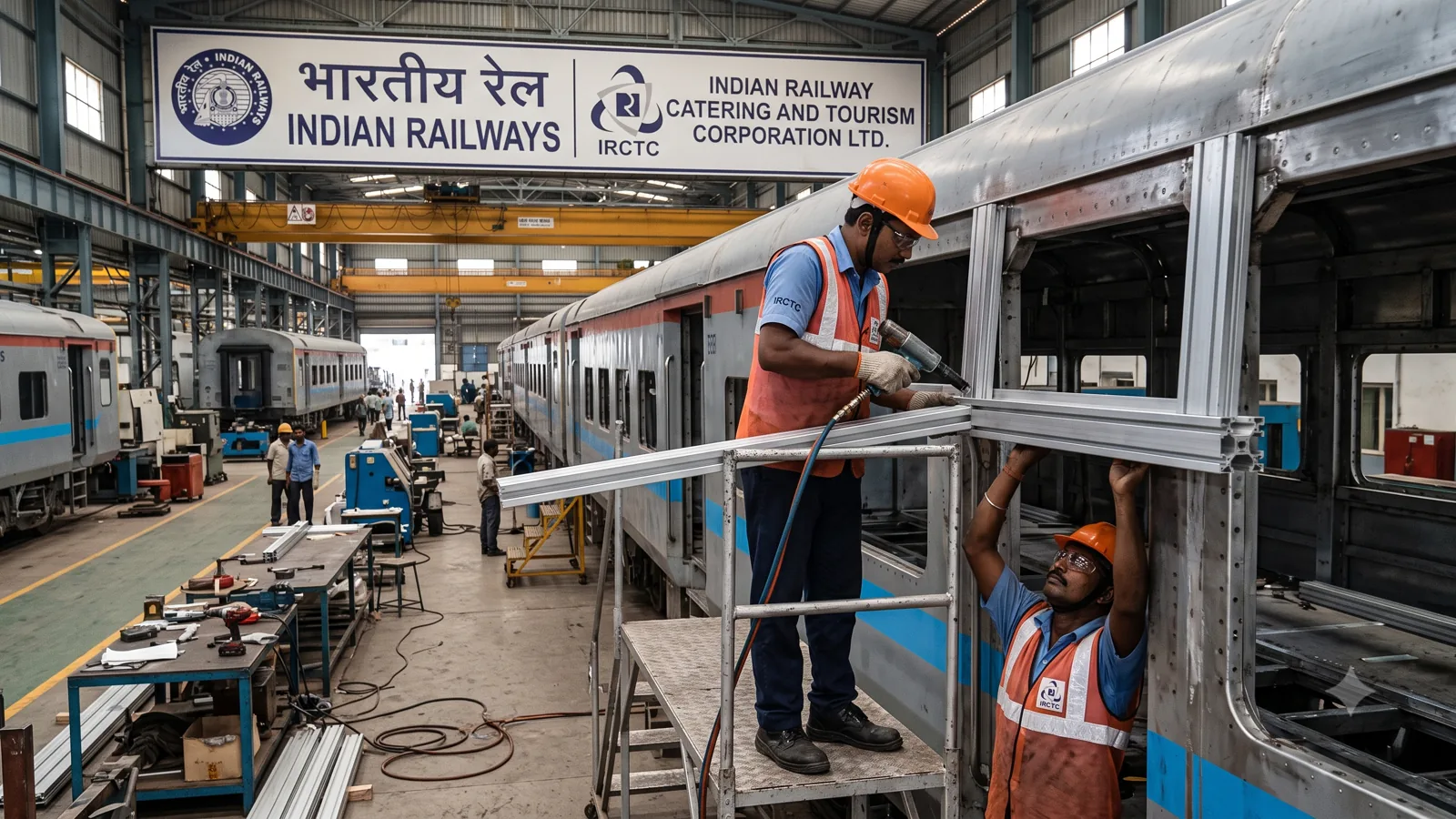
Railway coach extrusions are used in window and door assemblies, interior panel frames, luggage systems, seat or partition supports, cable and lighting channels, equipment housings, floor and roof members, and other repeated coach structures. Selection must account for the complete vehicle design, including vibration, passenger interfaces, fire and smoke requirements, drainage, sealing, maintenance, and long service life.
Outer frames, glazing pockets, beads, mullions, drainage chambers, trim covers, and interfaces for fixed or opening windows.
Door leaves, guide rails, thresholds, edge profiles, seals, interior trims, access panels, and hardware-supporting members.
Luggage racks, partitions, seat supports, wall and ceiling carriers, lighting channels, handrails, and decorative trims.
Floor, roof, side, underframe, equipment, HVAC, battery, and enclosure profiles used within engineered rail assemblies.
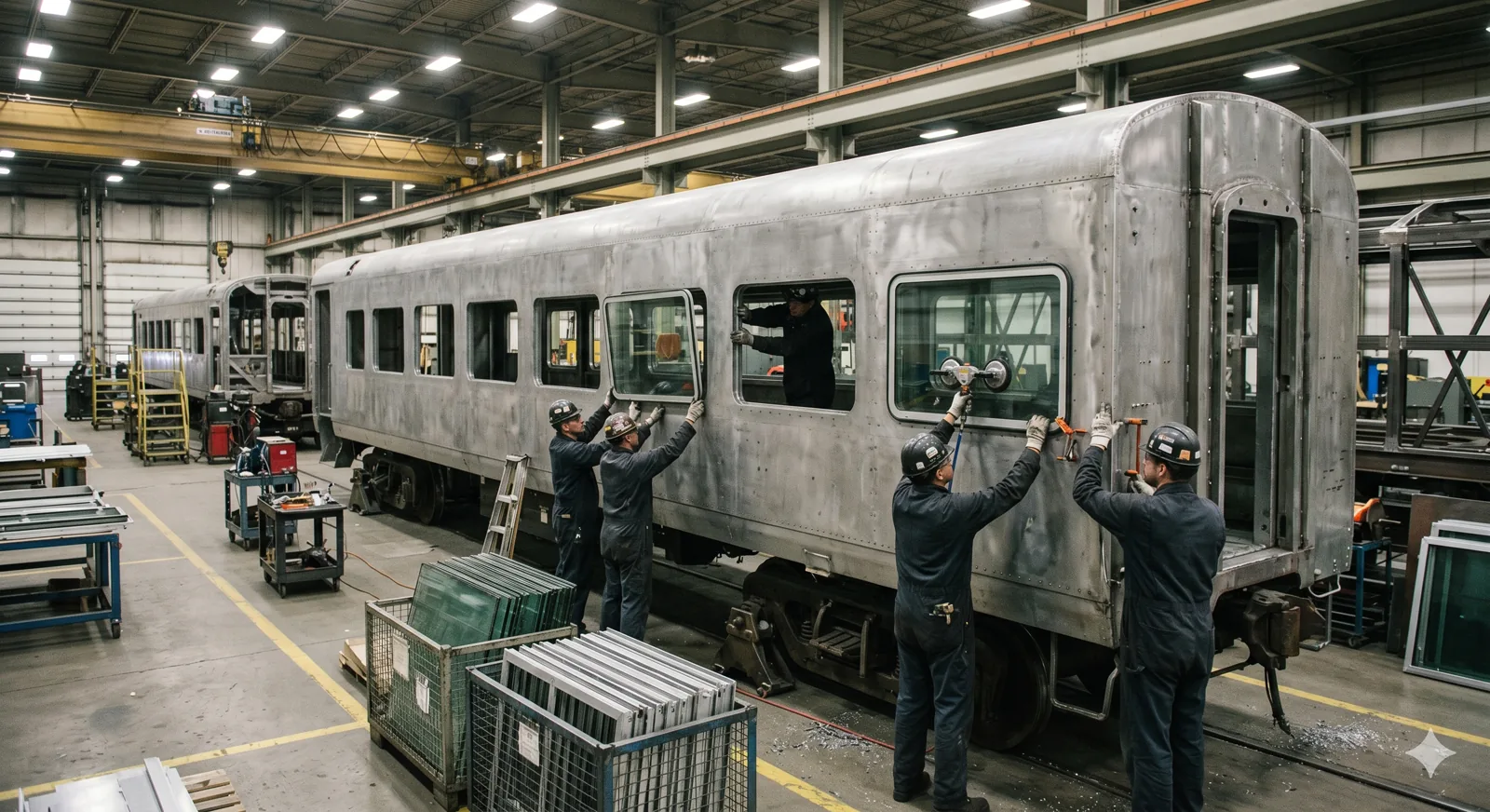
Coach component detail
This image position is designed for a unique coach-window close-up, door guide, luggage system, or interior carrier view.
Assembly mechanics
These principles explain the role of the extrusion inside the finished assembly. Final dimensions and performance must be checked against the project design and selected hardware.
Principle 01
Pockets, beads, gaskets, fasteners, and cover profiles locate infill while allowing installation, sealing, drainage, and replacement.
Principle 02
Rails, channels, tubes, and hollow profiles carry bending, equipment, passenger, pressure, and attachment loads between supports.
Principle 03
Joints, seals, isolators, fasteners, and tolerances address coach flex, repeated vibration, thermal movement, noise, and service access.
Principle 04
Integrated grooves, screw ports, cable routes, trim retainers, and locating faces support consistent coach production and maintenance.
Alloy guidance
The final alloy and temper are confirmed against the controlled drawing, required strength, extrusion geometry, fabrication route, finish, and service environment.
Alloy status
Availability, temper, tolerances, and suitability are confirmed during technical review.
Engineering fit
Common requirements
Profile response
Technical decision points
Speed, pressure variation, vibration, fatigue duty, temperature range, water exposure, cleaning, dust, and coastal or industrial conditions matter.
Opening size, glass or panel mass, gasket system, drainage, hardware, emergency operation, replacement method, and perimeter fixing should align.
Edges, gaps, hand contact, impact zones, pinch points, fastener concealment, accessibility, and maintenance condition require review.
All profiles, finishes, seals, adhesives, inserts, and adjoining materials must follow the rail programme's applicable fire and smoke specification.
Welding, bolts, rivets, bonding, inserts, backing structure, dissimilar materials, distortion, and installation access affect the section.
Replaceable glass, seals, hardware, lighting, panels, covers, and equipment need logical access without damaging adjacent finishes.
Practical technical facts
The frame, glazing, gasket, drainage, perimeter seal, fixings, and coach opening work together as one system.
A continuous profile can carry panels, wiring, lighting, trim, fasteners, and removable covers along a coach.
Fastener retention, fretting, seals, clips, cable supports, and trim joints need attention over the full service duty.
Accessible beads, covers, fasteners, and replaceable wear components can reduce disruption during service.
Drawing-led RFQ
Send the cross-section and application context for manufacturability review. Customer-specific geometry remains confidential and is not published as a case study.
Rail and coach context
Railway aluminium extrusion enquiries should define the controlled drawing, assembly interface, finish, fabrication, inspection, documentation, and approval responsibility.
Railway coach aluminium extrusion may be required for window, door, interior, luggage-frame, equipment-frame, or trim applications. The exact section and performance basis must come from the project specification.
Omalco reviews manufacturability and supply inputs without implying railway certification, approved-vendor status, completed projects, or system-level compliance on this website.