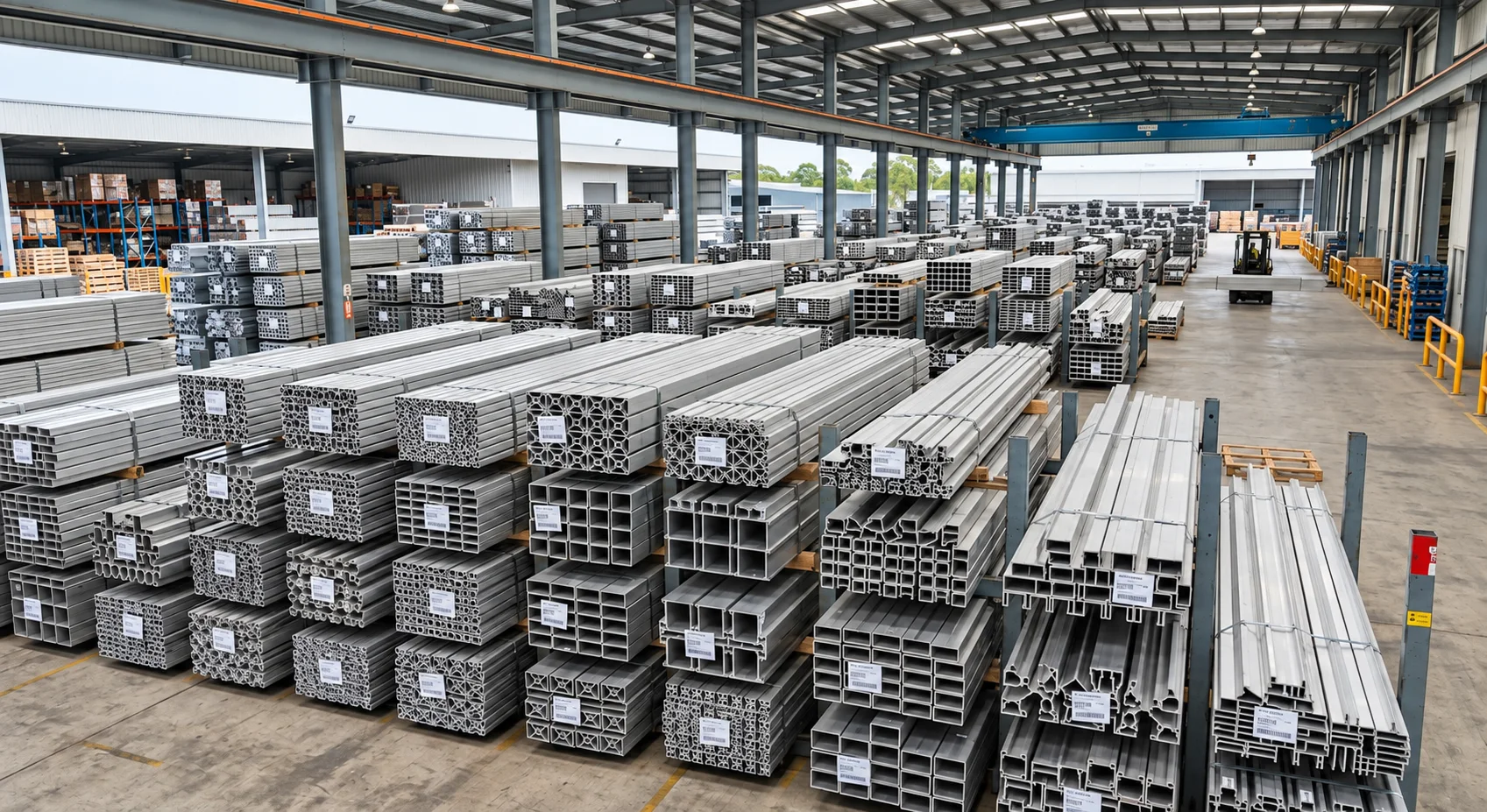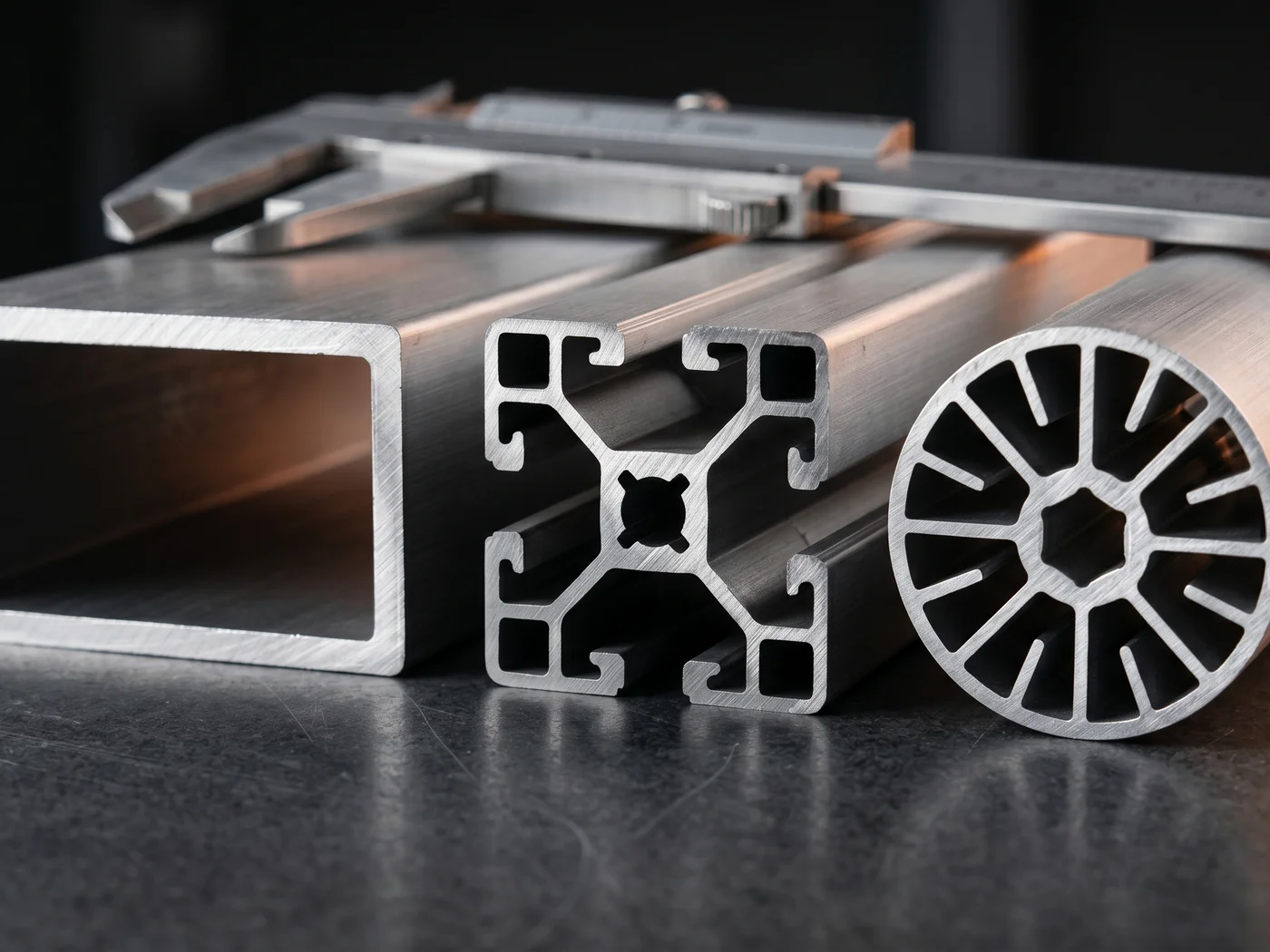
A custom aluminium extrusion starts with the job the part must do. The section may need to fit a cover, accept a screw, locate another component or provide stock for machining. Those functions should be visible before a tool is commissioned.
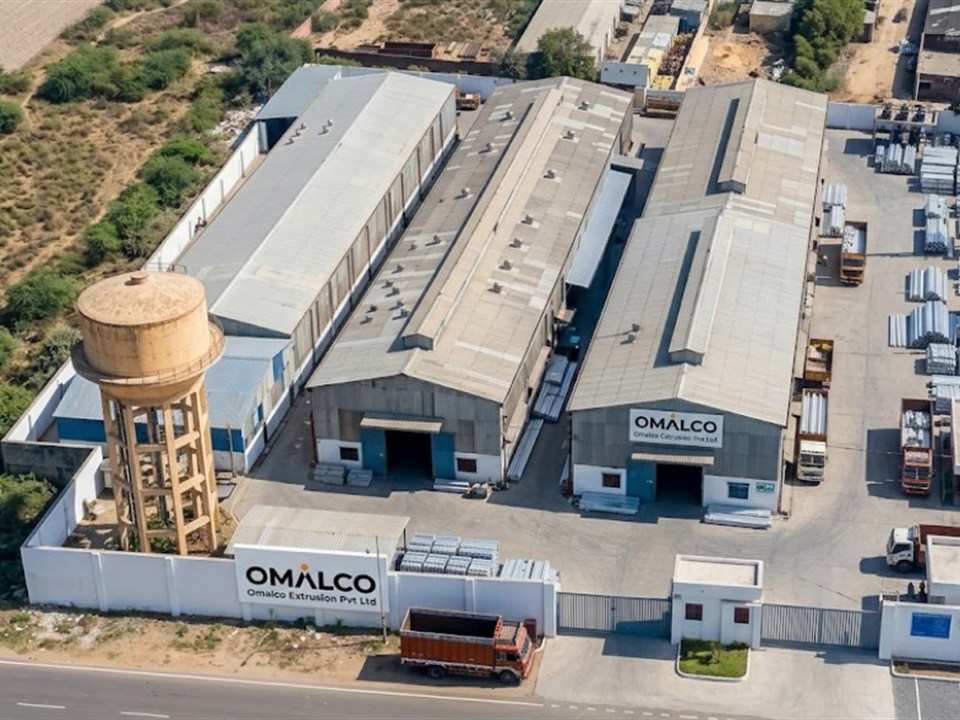
For a Jodhpur buyer developing a custom profile, this guide connects the drawing, die decision, trial and repeat order. Omalco can review enquiries from its Behror manufacturing base; identify Jodhpur as the receiving location and include the component's intended use.
At a glance
- Mark functional interfaces and keep one controlled drawing revision.
- Compare an existing-die option with a new die against the actual fit requirement.
- Approve representative samples and record the conditions for repeat production.
Describe the part before refining the cross-section
Explain what connects to the profile and which surfaces are functional. Mark screw ports, mating grooves, sliding faces, mounting positions and any material that will be removed later. Include the intended cut length and the sequence of cutting, drilling or machining.
Ask the manufacturer to review manufacturability questions such as wall transitions, hollow areas and the proposed extrusion route. Any suggestion that affects function should return to your engineering team for approval. Update the controlled drawing so the quotation and tool are based on the same design.
Compare an existing section with a new die
An existing catalogue section may reduce the development work if its geometry, material condition and availability suit the part. Compare the actual drawing dimensions and machining allowances. Ask whether the die is available for your order and whether any ownership restrictions apply.
For a new die, agree the tool cost, ownership, maintenance, trial scope and treatment of drawing changes. Establish what happens when a trial needs correction. Request an order-specific sequence for drawing review, tool preparation, sampling and production release.
Specify the condition in which the part is supplied
Record the alloy, temper and applicable material specification together. Discuss the functional requirement with your engineering team and ask the extruder to confirm the proposed production route. Where material records are required, agree which certificate or test information will accompany the order.
Define whether the profile is supplied in mill finish, surface treated, machined or otherwise fabricated. Dimensions should state the stage at which they apply. A coated mating interface or a machined end feature may need a different acceptance check from the as-extruded section.
Approve a representative trial before a production run
Decide the sample checks before the trial. Agree the dimensional report, material documentation, finish reference and assembly or machining checks that matter to your part. Request samples in a condition representative of the material you will purchase.
Keep the sample identifier, drawing revision, results and accepted deviations together. Release the production order against that record. If the tool, material condition or downstream process changes later, ask which approval checks need to be repeated.
Plan quantities and repeat supply to Jodhpur
Separate the development quantity from expected production demand. State the quantity per profile and expected reorder pattern so the supplier can explain its manufacturing minimum and any finishing minimum. Keep tooling and trial charges separate from the recurring material cost.
Agree identification, packing and delivery arrangements for the Jodhpur receiving address. A repeat purchase order should reference the approved profile revision and supplied condition. Confirm the new production and dispatch dates for every release.
Frequently asked questions
Can a sample part be used to begin a custom extrusion enquiry?
A sample or sketch can begin the discussion when accompanied by dimensions and an explanation of the part's function. The requirement should become an approved drawing and material specification before tool manufacture or production release.
Is a new extrusion die always necessary?
An existing available die may suit the requirement if its dimensions, material route and commercial terms are acceptable. Confirm the exact fit and any ownership restrictions. A new or revised section needs an agreed development and approval process.
Where would an Omalco order for a Jodhpur buyer be reviewed?
Omalco's manufacturing base is in Behror, Rajasthan. Share the profile requirement through the drawing enquiry route and identify the Jodhpur receiving location. The team can then discuss technical review, production scope and delivery terms.
Further technical reading
About the publisher
Omalco manufactures aluminium profiles and custom extrusions from its Behror base. Our journal helps buyers prepare technical enquiries and compare supply requirements. Learn about Omalco.