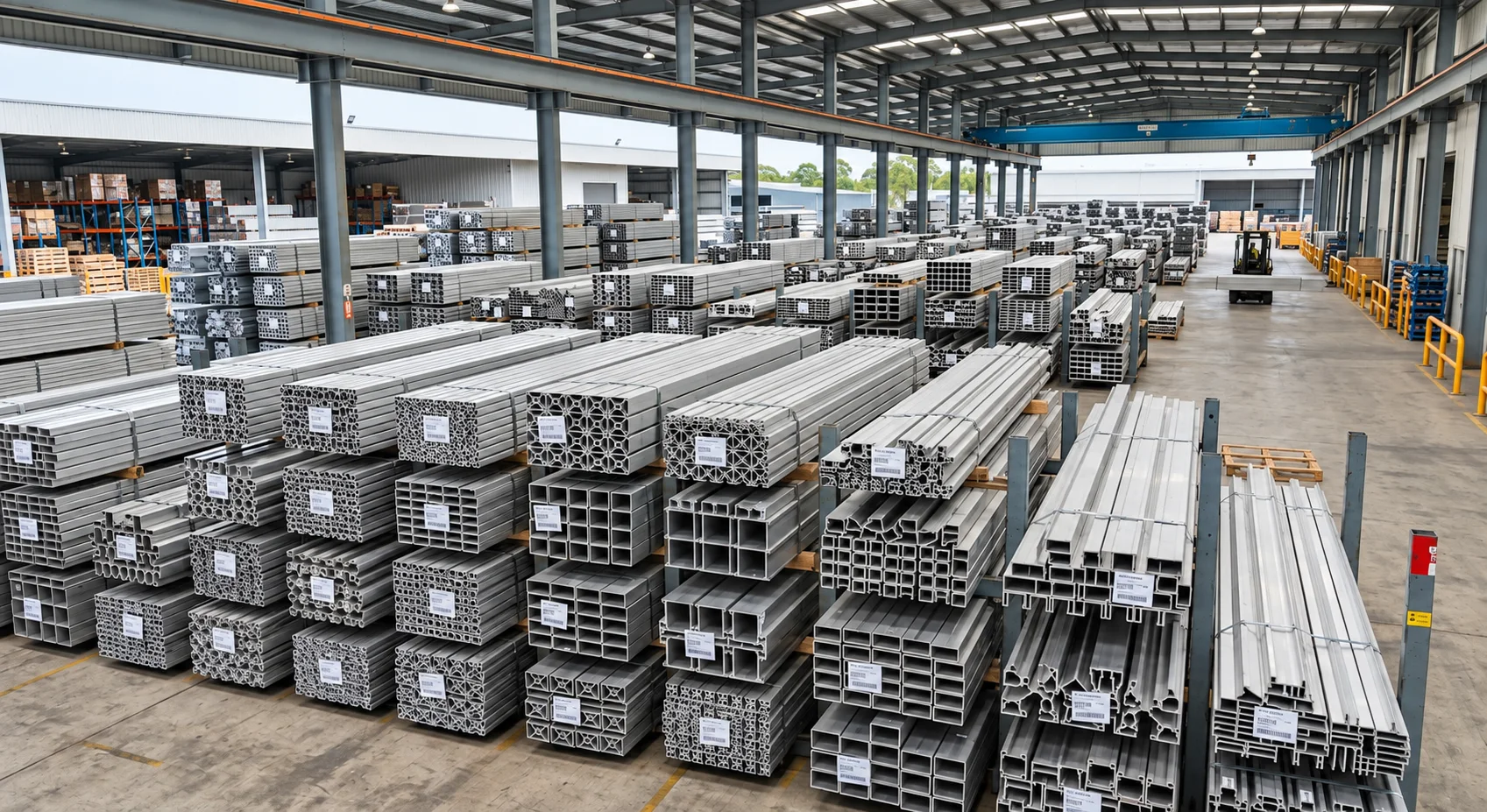
Profile fundamentals
6061 vs 6063 Aluminium Profiles: What Buyers Should Know
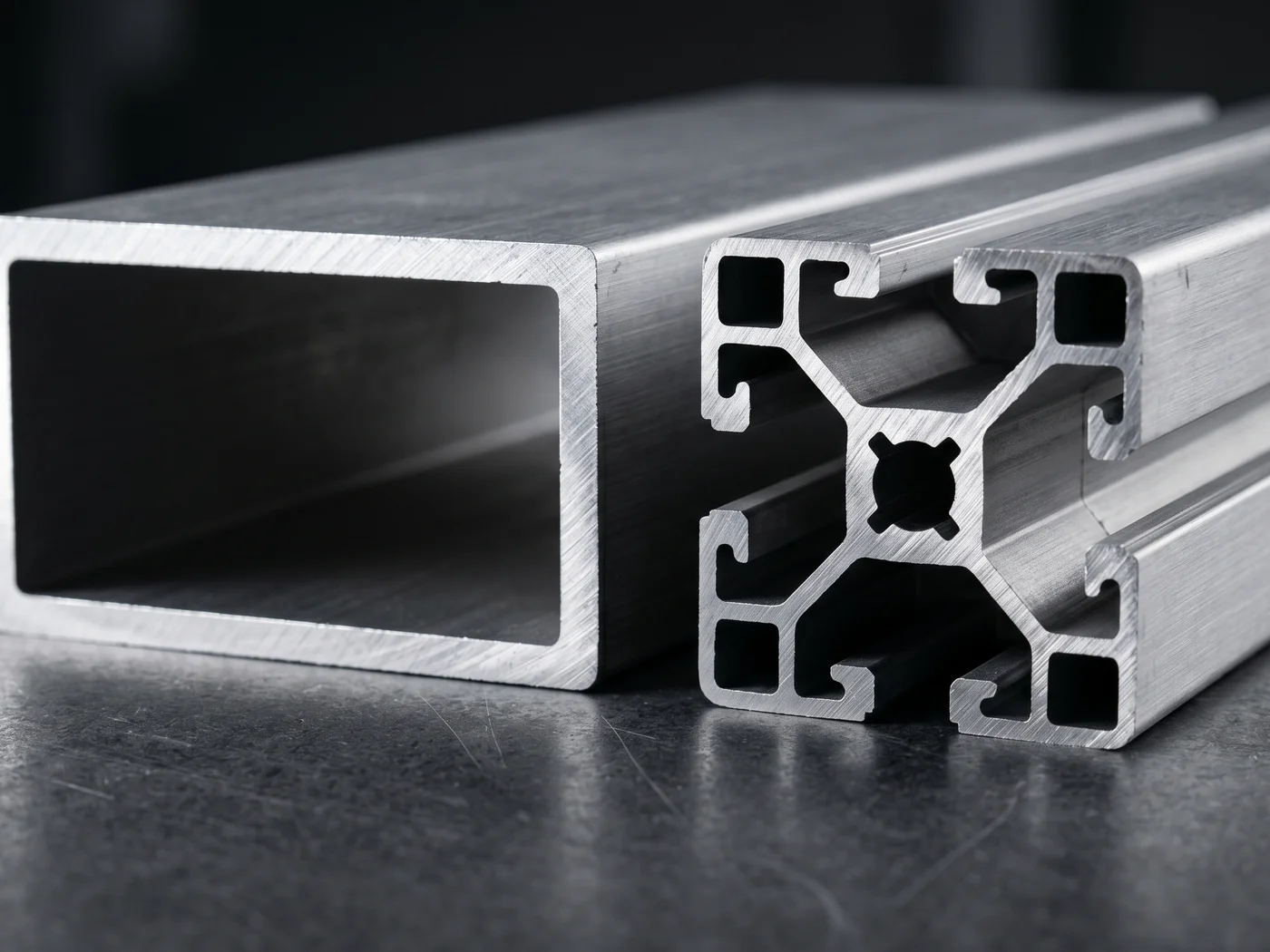
6061 and 6063 are aluminium alloy designations, not profile shapes or quality grades. Both appear in extrusion enquiries, but they are considered against different application priorities. Choosing between them starts with what the component must do, how it will be processed and the condition in which it will be used.
For an aluminium profile buyer, the useful question is more specific than which alloy is better. Which alloy, temper and manufacturing route meet the approved requirement? This guide explains the comparison and the information Omalco needs when reviewing an aluminium extrusion enquiry.
At a glance
- Specify alloy and temper together; an alloy number by itself does not state the final material properties.
- 6063 is commonly considered for architectural and visible profiles; 6061 is often considered where structural or fabrication requirements are central.
- Approve the material against the component specification, including later machining, welding, bending and finishing where applicable.
Alloy and temper describe different things
The alloy designation identifies the material composition family. The temper describes a processing condition. A specification such as 6061-T6 therefore contains more information than 6061 alone. Hydro's 6061 technical sheet lists different tempers and explains why processing and the required condition have to be considered together.
When reviewing a purchase order, look for the alloy, temper, applicable product specification and any required inspection records. If one of those fields is undecided, raise it explicitly. A manufacturer should be reviewing an agreed requirement rather than guessing the final condition from a familiar application name.
Why 6063 appears in architectural profile enquiries
6063 is widely associated with aluminium window frames, door sections and facade profiles. Hydro describes its extrusion characteristics and response to anodizing as reasons for its use in architectural and visible components. That makes it a common starting point for a discussion about appearance-led aluminium sections.
The application still needs a complete specification. A visible frame may have requirements for assembly fit, material condition and finish acceptance as well as appearance. Send Omalco the relevant drawing or system reference, identify the visible faces and confirm who approves the profile and finish before production release.
Why 6061 appears in structural and fabricated-part enquiries
6061 is a heat-treatable extrusion alloy used for a range of structural, machinery and transport components. Hydro's data sheet discusses its machining and joining characteristics. It also explains that welding can reduce strength in the weld region of the T6 condition, which is a reason to assess the component after its intended processing.
For a fabricated part, send the whole operation sequence with the drawing: extrusion, machining, joining and the required final condition. Identify the dimensions and interfaces checked after those operations. The design requirement and applicable material data should guide the decision; choosing a familiar alloy number does not approve a finished assembly.
Compare the application priorities before the alloy label
Use the comparison below as a starting point for a technical conversation. It describes common reasons buyers investigate the two alloys, rather than a substitution rule or a promise about a particular profile. The specified temper, section and manufacturing route determine the values that must be checked.
For example, an architectural section with visible anodized faces and a machined equipment component pose different questions. Give the manufacturer those questions directly: what appearance is approved, what must fit, what later operations are planned and what material records are needed? The answer can then refer to your part instead of a generic alloy comparison.
| Selection question | 6063 aluminium profiles | 6061 aluminium profiles |
|---|---|---|
| Common application focus | Architectural and visible sections | Structural and fabricated components |
| Appearance discussion | Often considered for visible anodized surfaces | Confirm appearance on the specified material and finish |
| Fabrication discussion | Confirm any bending, machining and joining requirements | Often considered where machining or joining is part of the route |
| Order specification | Agreed temper, drawing, finish and inspection requirements | Agreed temper, drawing, finish and inspection requirements |
Prepare an alloy enquiry for Omalco
Omalco's alloy resources include 6061 and 6063 aluminium extrusion information, alongside other material families. Use them to prepare a discussion about the drawing and supplied condition. If the design already specifies an alloy, keep that designation on the enquiry and identify the person who can approve any proposed alternative.
Include the application, material specification, quantity, cut length, finish and further processing. Ask for open technical points to be listed with the quotation. This helps a buyer looking for an aluminum profile manufacturer in India evaluate a clear proposal against the requirement rather than comparing offers with different assumptions.
Frequently asked questions
Is 6061 always better than 6063?
There is no universal winner. Compare the specified properties, profile geometry, temper, appearance and fabrication requirements for the application. A different alloy is only useful when the final component still meets the approved requirement.
Can I replace a specified 6063 profile with 6061?
Treat the change as a proposed material substitution. The responsible designer or specification owner should review it against the component and assembly requirements before approval. Do not substitute an alloy solely because it is available or has a different headline strength value.
Do two 6063 profiles necessarily have the same properties?
No. Check the temper, applicable specification, dimensions and processing condition. Material documentation should relate to the supplied order, and any application-specific acceptance requirements should be agreed before production.
Sources and further reading
References reviewed on 22 October 2026. These explain general principles and published offerings; confirm the material, processing and supply requirements for your particular profile.
Further technical reading
- Omalco aluminium alloy resources
- Secondary operations and supplied condition
- Inspection and quality-assurance discussion
About the publisher
Omalco manufactures aluminium profiles and custom extrusions from its Behror base. Our journal helps buyers prepare technical enquiries and compare supply requirements. Learn about Omalco.