Profile fundamentals
How Aluminium Extrusion Works: From Billet to Profile
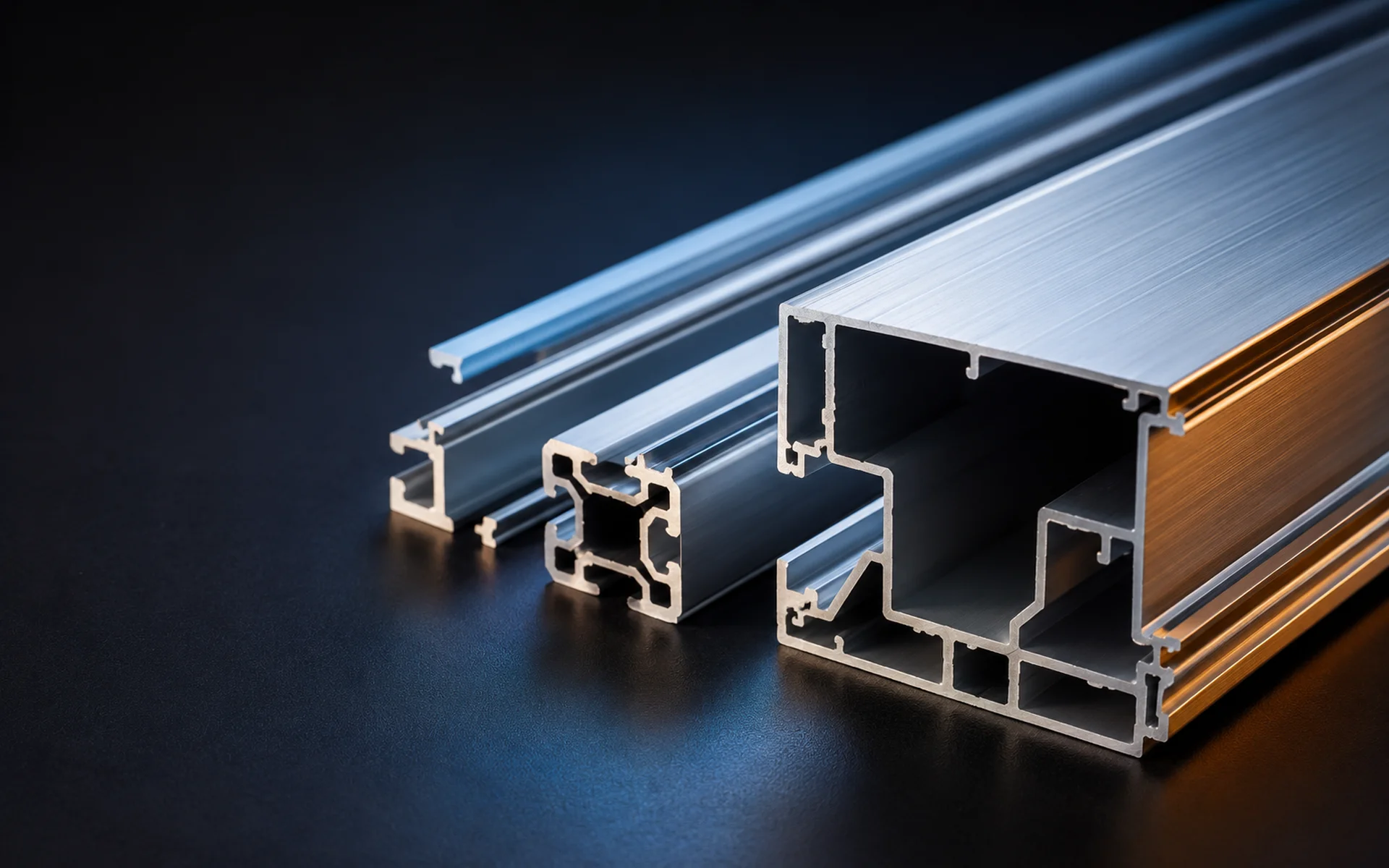
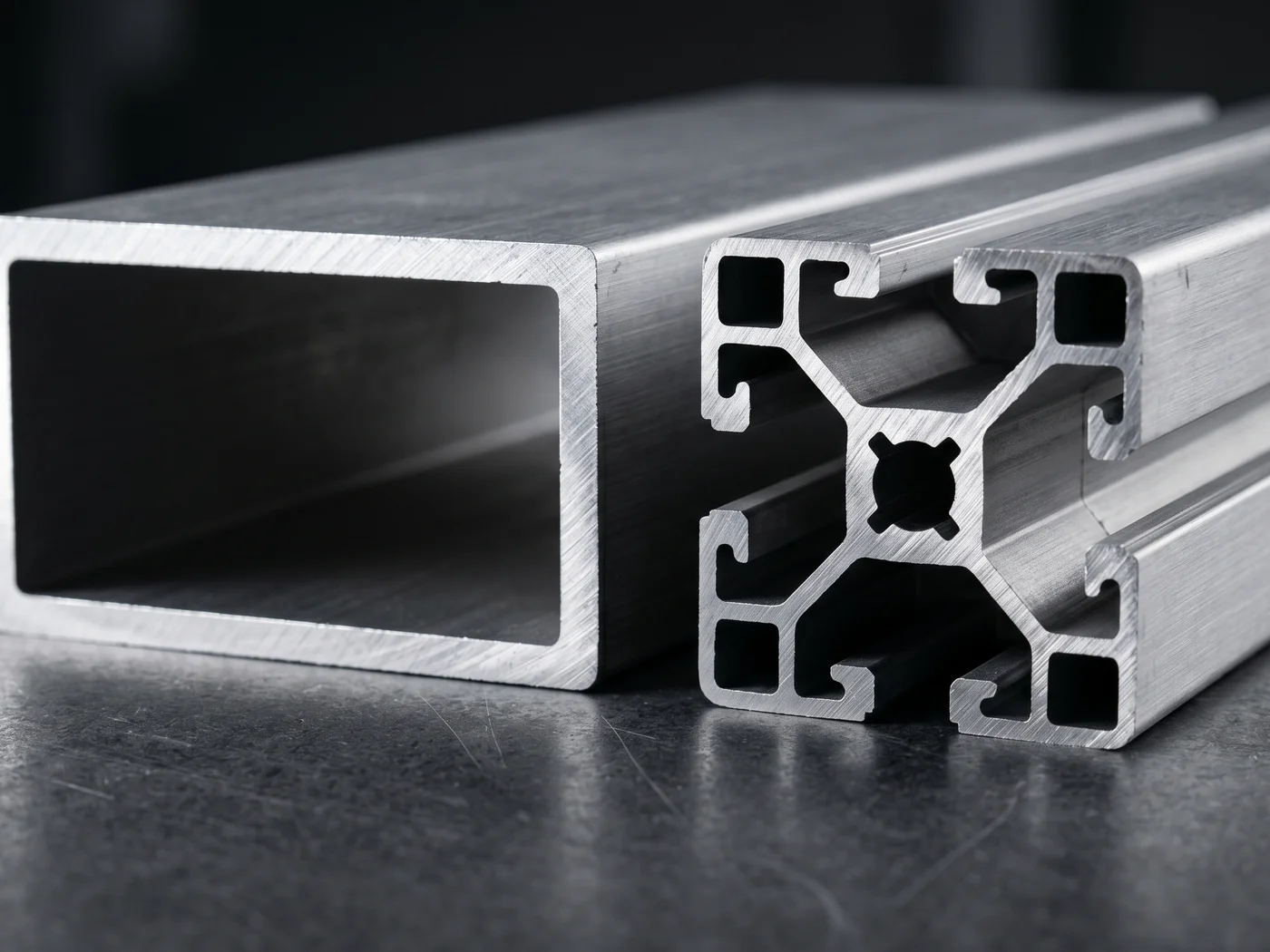
Aluminium extrusion creates a profile by pushing heated, solid aluminium through a shaped die. The familiar press operation is one stage in a longer route: the drawing, tooling, material condition, further processing and inspection all contribute to what the buyer receives.
Understanding that route helps you ask better questions of an aluminium extrusion manufacturer in India. It also explains why a first custom-profile order needs decisions that a repeat order may already have resolved. This guide follows the general process; Omalco confirms the proposed route against the particular drawing and supply requirement.
At a glance
- The extrusion die produces the cross-section; later fabrication can add holes, cuts and other component features.
- Alloy, cooling and heat-treatment requirements belong in the agreed material specification.
- A first-order schedule should include tooling and sample approvals alongside production and dispatch.
1. Define the profile and prepare the die
The process starts with the required cross-section and alloy. Tooling is prepared to produce that shape. Before release, the manufacturer needs to understand the drawing, critical dimensions and the component's intended use. For a custom aluminium profile, this is the stage to discuss geometry and the trial approval route.
Bring the relevant information together: drawing revision, mating parts, quantity and the condition in which the part will be supplied. If a groove must accept a specific fastener or seal, identify it. When the drawing changes, record which revision replaces the earlier one so that tooling and inspection use the same reference.
2. Heat the billet and extrude the cross-section
The aluminium feedstock is a billet. The billet and tools are preheated, and the press applies force so the softened metal flows through the die. The billet remains solid during this operation. The emerging length has the required cross-sectional form; extrusion is different from pouring liquid metal into a casting mould.
Press suitability cannot be established from a photograph of a large machine alone. Give the manufacturer the whole section and material specification. Ask for a review of the proposed profile rather than assuming that a general statement about press capacity confirms every detail of your design.
3. Cool and process to the specified material condition
After extrusion, the hot profile follows the required cooling and treatment route. Depending on the alloy and specified condition, this can include quenching, straightening or stretching, and ageing. These operations help establish the material properties and geometry required by the finished extrusion specification.
For procurement, this is why an alloy number alone is incomplete. Record the temper, applicable specification and inspection documents required for the supplied condition. Ask which properties are being confirmed and at which stage. If later welding, bending or other processing is planned, include it in the technical discussion before approving the route.
4. Add cutting, fabrication and surface finishing
An extrusion length can be the starting material for a finished component. Cutting, drilling, machining, bending or assembly may follow, depending on the part. Surface treatment may also be required. The Aluminum Extruders Council describes fabrication as the work that turns an extrusion into the component used in the final application.
Mark the operations included in your order and those your own workshop will perform. Confirm how dimensions are checked after any processing that affects fit, and specify the visible faces for finish approval. Keep the sequence clear when comparing a plain extrusion offer with a quotation for a processed component.
5. Review the sample and inspection evidence
For a new custom profile, agree what the trial must demonstrate before volume production is released. That may include dimensions, assembly fit, material records and an appearance sample. A sample should be reviewed against the approved requirement, with a named person responsible for acceptance and any drawing changes recorded.
An effective review looks at the component in context. Check the mating part or assembly where required, rather than accepting an unlabelled piece solely because it looks familiar. Omalco's quality-assurance information is a starting point for discussing the inspection and documentation scope of your particular order.
6. Pack, identify and dispatch the profiles
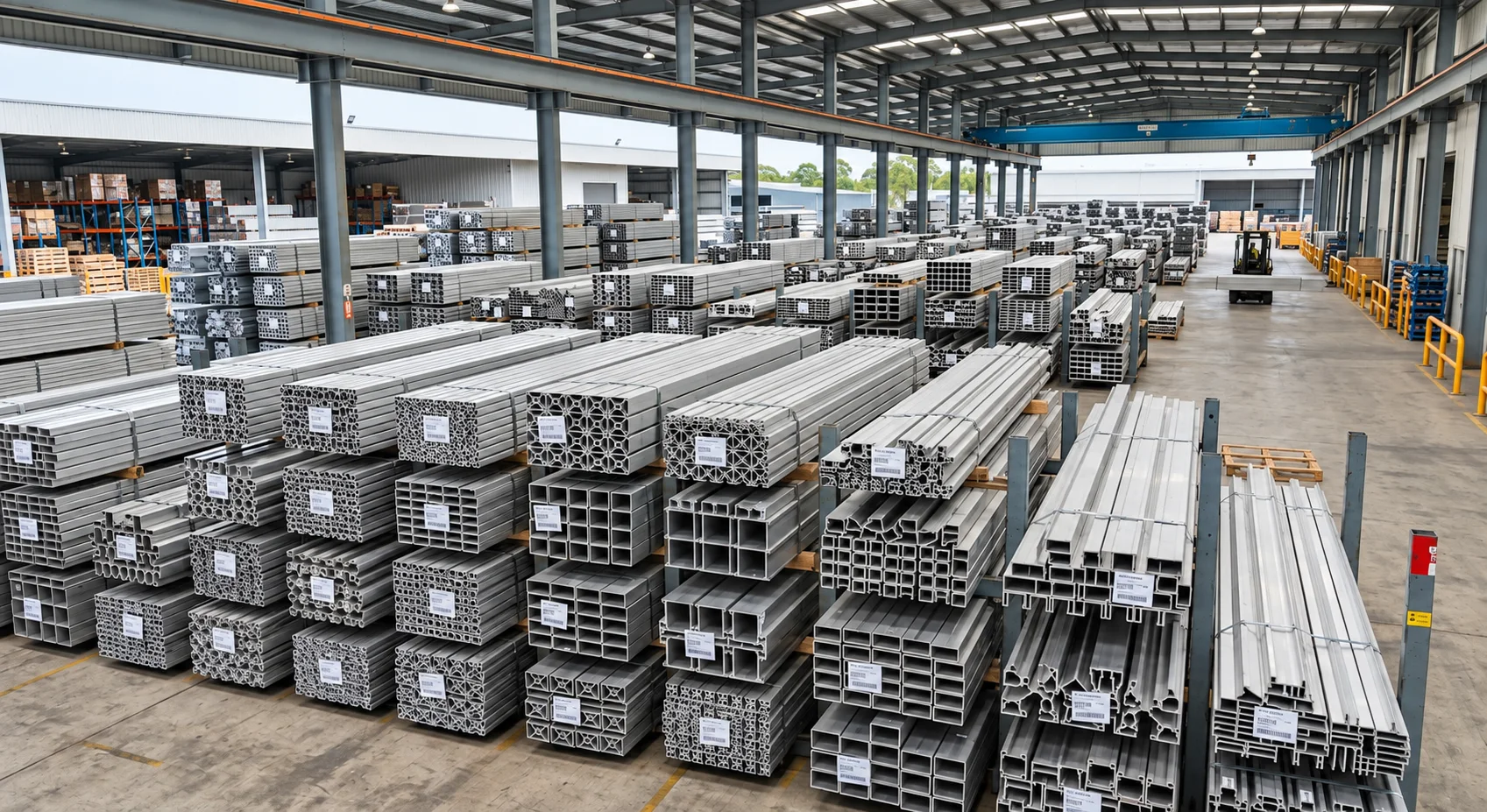
The manufacturing route ends with material that can be identified and received correctly. Agree bundle labels, section references, quantities and any protection required for visible surfaces. Include the receiving address and unloading constraints so the packing and dispatch discussion reflects how the profiles will actually be handled.
For repeat supply, reference the approved drawing, material condition, finish sample and inspection agreement. This gives the next order a controlled starting point. When you contact Omalco as your aluminium extrusion and profile manufacturer, ask for the stages and approvals relevant to your job rather than relying on a generic lead-time estimate.
Frequently asked questions
Is aluminium melted during extrusion?
In the hot extrusion process described here, the billet is heated to soften it but remains solid as it passes through the die. Casting the feedstock and extruding the profile are different manufacturing stages.
Does every custom aluminium extrusion need a trial?
Agree the approval route with the manufacturer for the specific profile and order. A new die or changed requirement needs an appropriate review before production release. A repeat order can reference an existing approval only when the relevant specification and route still apply.
What does Omalco need to review an extrusion enquiry?
Provide the drawing or section reference, application, alloy and temper where specified, finish, quantities, cut lengths, further operations and delivery location. Highlight undecided requirements so they can be discussed before the quotation scope is finalised.
Sources and further reading
References reviewed on 22 October 2026. These explain general principles and published offerings; confirm the material, processing and supply requirements for your particular profile.
Further technical reading
About the publisher
Omalco manufactures aluminium profiles and custom extrusions from its Behror base. Our journal helps buyers prepare technical enquiries and compare supply requirements. Learn about Omalco.