Profile fundamentals
What Is an Aluminum Profile? A Practical Introduction
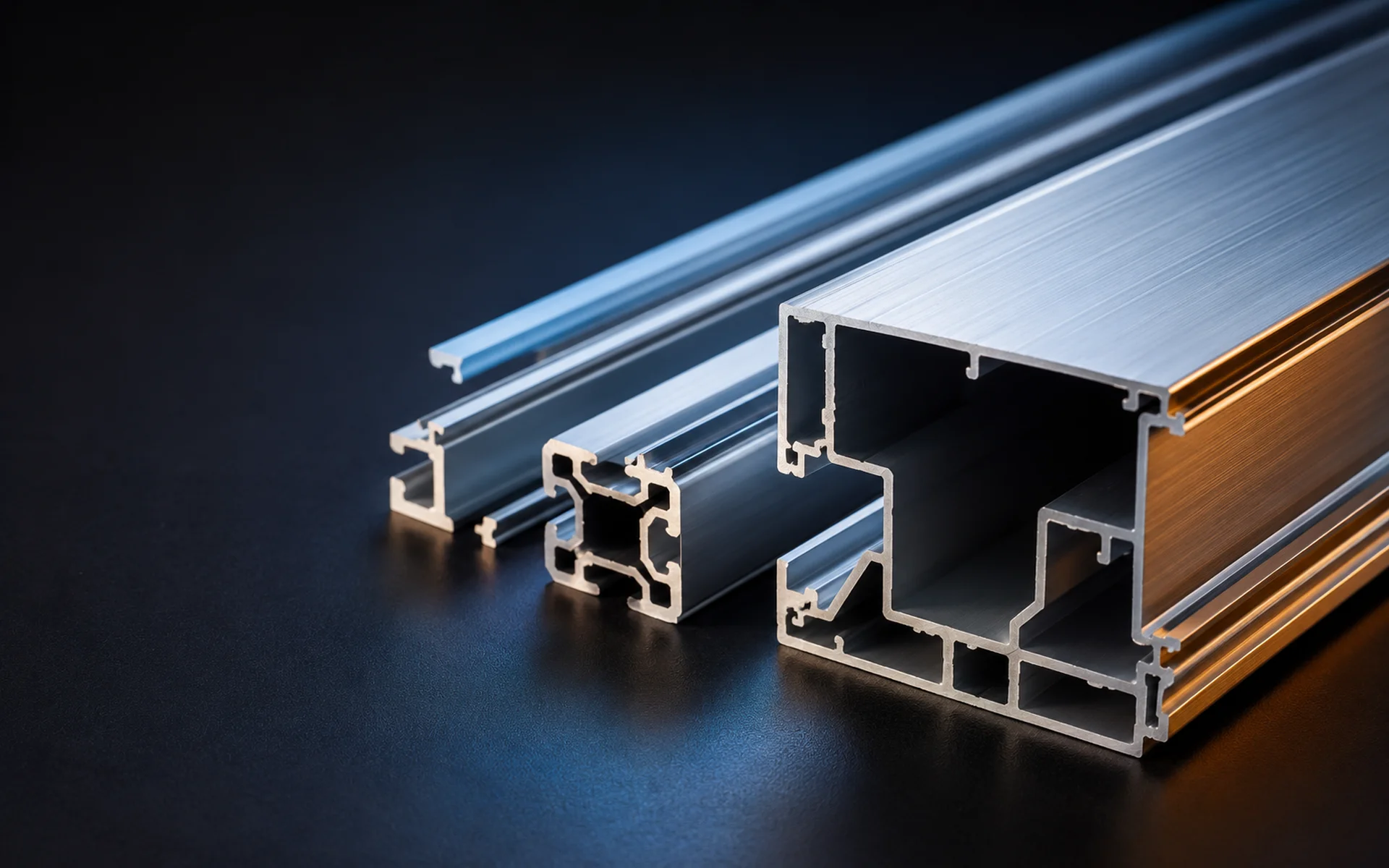
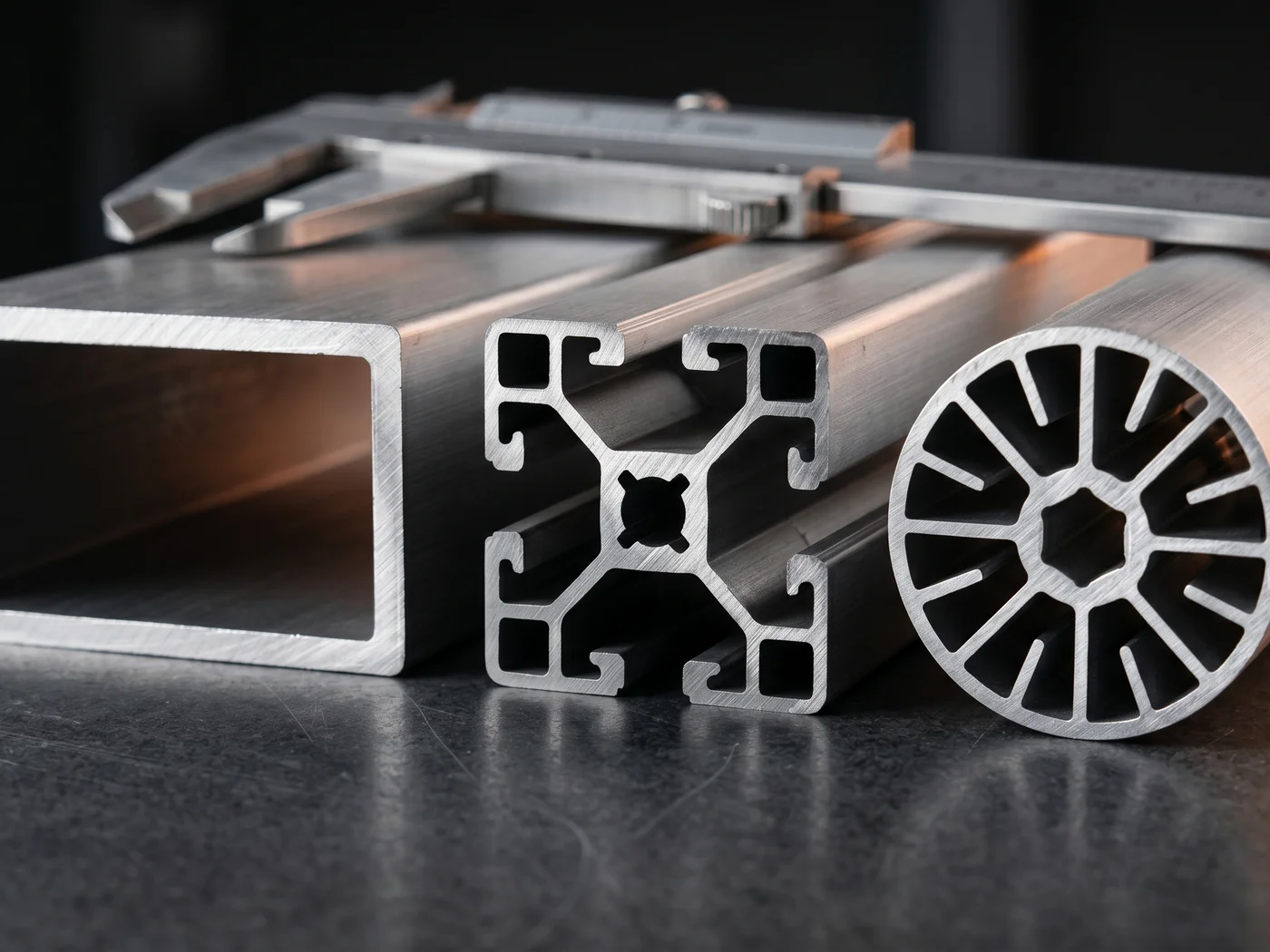
An aluminum profile is a shaped length of aluminium, identified by the outline you see when you look at its end. In an extruded profile, that cross-section runs along the length before any later drilling, cutting or machining. A simple angle, a hollow tube and a detailed window-frame section can all be aluminium profiles.
That makes the term broader than a single product. When you ask an aluminum profile manufacturer in India for a quotation, the useful starting point is the shape and its job. This guide explains the basics so you can move from a photograph or idea to a clearer conversation with Omalco.
At a glance
- A profile describes the cross-sectional shape; extrusion is a manufacturing process used to produce that shape.
- The same outline can have different alloys, tempers, finishes and cut lengths.
- A usable enquiry connects the profile drawing to its application, quantity and supplied condition.
What does the cross-section tell you?
Imagine looking at the end of a length of material. An L-shaped outline is an angle; a U-shaped outline is a channel. A window section may have several walls, pockets and grooves. These features can provide places for a mating part, fastener or seal, depending on the design. The outline is the profile; its length is a separate order dimension.
A photograph taken from the side can hide those details. If you are replacing a section, send an end-view photograph with dimensions and any available catalogue code. For a new component, a dimensioned cross-section helps the manufacturer understand what must fit, which surfaces are visible and where the shape can be reviewed.
How is an aluminium extrusion profile made?
Extrusion pushes heated, solid aluminium through a shaped tool called a die. The emerging length takes its cross-sectional form from that tooling. Subsequent processing gives the component its specified material condition, length and finish. The Aluminum Extruders Council's process guide explains the distinction between a softened billet and molten metal.
For the buyer, the practical point is that the die, material and finished part belong in one discussion. A drawing may show the cross-section correctly while leaving the cut length or hole pattern undecided. Tell Omalco whether you need an extrusion length for your own workshop or a component with further operations included.
Where are aluminium profiles used?
Look around a building and you may find profiles in window frames, door sections, partitions and facade components. Other applications include solar-frame components, equipment housings and custom OEM parts. The profile is selected as part of the assembly, so a familiar shape alone does not establish that a section is suitable for a particular project.
Consider a sliding window. The outer frame, moving sash, track, interlock and glazing bead do different jobs. Ordering one attractive section will not establish that the whole window fits together. Start with the system reference or the schedule of matching parts, then identify the section codes and quantities required for each opening.
What information identifies an aluminium profile?
Shape is one part of a specification. The alloy identifies the material family; the temper identifies its processing condition. Wall thickness, overall dimensions and tolerances describe what must be manufactured. Finish describes the required surface, while cut length and quantity describe what arrives at your workshop.
For example, two quotations can refer to the same drawing but cover different work. One may supply plain lengths; another may include finishing, cutting and packing. Write those requirements down before comparing the offers. If the profile must match an existing part, identify that interface and the drawing revision used for approval.
- Profile code or drawing number, revision and dimension units.
- Application, mating parts and dimensions that affect assembly.
- Agreed alloy, temper, finish, cut length and quantity.
- Any machining, inspection records, packing and delivery requirements.
Discuss your aluminium profile with Omalco
Omalco is an aluminum profile manufacturer in India with a manufacturing base in Behror, Rajasthan. Our product pages cover architectural sections, door and window profiles, solar components and custom aluminium extrusions. Use those families to explain the application, then share a profile code or drawing for a more specific review.
You do not need to know every manufacturing term before making contact. A useful first message explains what the part must do, what information you already have and which questions remain open. Include quantities and the delivery location so the discussion can address the actual order alongside the shape.
Frequently asked questions
Are aluminum profiles and aluminium profiles different?
The words refer to the same material and product family. Aluminium is the common Indian and British spelling; aluminum is the American spelling. The drawing, material specification and supplied condition determine the product, regardless of the spelling used in the enquiry.
Is an aluminium profile the same as a complete window system?
A profile is an individual section. A complete window system brings together compatible profiles, glass, seals, hardware, joining details and installation requirements. Confirm the system and its performance requirements before ordering the individual sections.
Can Omalco review a custom aluminum profile drawing?
Send Omalco the drawing or available profile reference, application, expected quantity and delivery location. Identify open questions about material, finish and further operations so the team can review the extrusion requirement and proposed supply scope.
Sources and further reading
References reviewed on 22 October 2026. These explain general principles and published offerings; confirm the material, processing and supply requirements for your particular profile.
Further technical reading
- Custom aluminium extrusion and die development
- Aluminium alloy selection resources
- About Omalco and its manufacturing base
About the publisher
Omalco manufactures aluminium profiles and custom extrusions from its Behror base. Our journal helps buyers prepare technical enquiries and compare supply requirements. Learn about Omalco.