Application guides
Aluminium Heat Sink Extrusions for Electronics: A Buying Guide
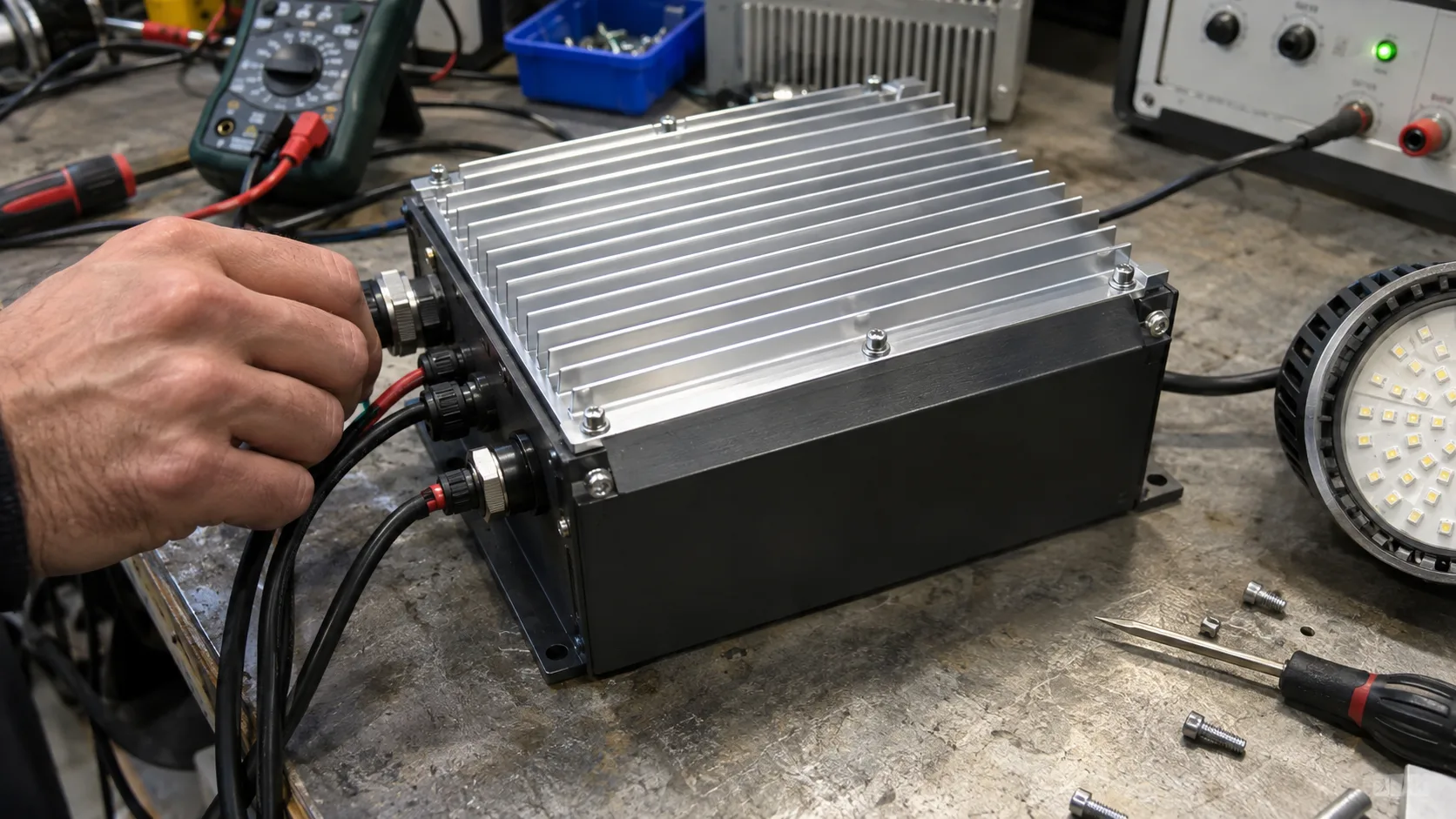
A finned aluminium profile can be the starting point for an electronics heat sink, but its outline alone does not establish how it will cool a device. The heat source, contact arrangement, available space and airflow all belong in the discussion. A useful enquiry connects that thermal context to the component drawing.
This guide explains the main features of aluminium heat sink extrusions and the inputs buyers should prepare. Omalco's heat-sink and electronics profile resources support enquiries for catalogue sections or drawing-led custom aluminum heat sink profiles, with the supply route confirmed for the actual part.
At a glance
- Describe the heat source, installation envelope, airflow and performance target before selecting a finned section.
- Specify the base, fins, mounting faces and further operations as parts of one component requirement.
- Validate thermal performance in the complete application, alongside the supplier's dimensional and material checks.
What do the base and fins of an aluminium heat sink do?
A heat sink provides a route for heat to move away from the component. Its base connects to the heat-source interface, while fins provide surfaces for exchange with the surrounding air. In an extruded design, those features can be formed within a repeated cross-section that is cut to the required length.
Boyd's heat-sink fabrication guide describes extrusion as one route to a finished heat sink, followed by machining and finishing where required. Its selection questions include heat dissipation, ambient conditions, device footprint and available room. Those are useful inputs for the engineering brief that accompanies the profile drawing.
Define airflow and the installation envelope
Establish whether the intended cooling arrangement uses natural airflow or a fan-driven flow. Identify the orientation, surrounding enclosure and available clearance. Fin shape and spacing need to be considered within that arrangement; adding more fins does not by itself confirm a better result in the actual enclosure.
For example, a profile selected from an open drawing may later sit beside a wall or cable bundle in the product. Include those constraints in the assembly reference before fixing the available envelope. Your thermal engineer can then assess the proposed section in the intended installation conditions.
| Input | Information to provide |
|---|---|
| Heat source | Device footprint, dissipation context and approved temperature target |
| Airflow | Natural or forced flow, orientation and relevant enclosure constraints |
| Profile envelope | Available width, height and component length |
| Mechanical interface | Contact face, fasteners, clearance and machining datums |
| Supply condition | Specified material, finish, operations and inspection needs |
Specify contact faces, mounting holes and machining
The component drawing should identify the contact face and mounting arrangement. Mark the hole pattern, threads, pockets and surfaces with specified requirements. Explain how the extrusion will be located during assembly so the dimensions affecting the device interface can be reviewed against a clear datum reference.
Keep the extrusion cross-section and the finished-part drawing connected. A long finned length and a cut, drilled component are different supply conditions. Ask which operations are included in the offer and how the finished dimensions will be checked after the agreed processing route.
Record the alloy and surface condition
Give the manufacturer the specified alloy and temper or identify material selection as an open engineering question. Include the finish and any contact-surface or masking requirements. If appearance matters as well as component function, mark the visible faces and agree a sample reference for that requirement.
Finish names and photographs should be connected to a written specification. The same principle applies to the base interface: identify the required surface condition and acceptance method rather than assuming that a generic aluminium heat-sink description covers it. Record any approved change with the component revision.
Plan extrusion review and thermal validation together
A manufacturing review addresses the proposed profile, material, processing and inspection scope. A thermal review addresses its performance in the complete product. Agree the samples and records needed for each review so that dimensional acceptance and application validation use the intended component condition.
For an LED assembly or electronics enclosure, test the representative mounting and airflow arrangement required by the product specification. Retain the accepted drawing, sample reference and relevant results for repeat orders. This gives later purchases a clearer basis than an unqualified cooling claim attached to a catalogue outline.
Prepare an aluminium heat-sink enquiry for Omalco
Omalco lists heat-sink profiles within its industrial and electronics application routes. Send the cross-section or catalogue reference with the component length, mounting drawing, material and finish requirements, quantity and delivery location. Include the available thermal context and identify the approval owner for application performance.
If you are looking for an aluminium heat sink extrusion manufacturer in India, compare proposals against that same supplied condition. Ask Omalco to confirm the proposed section or tooling route, any secondary operations and the inspection scope. The result should describe the component being offered for your engineering review.
Frequently asked questions
Do more fins always make an extruded aluminium heat sink better?
Fin geometry needs to be assessed with airflow, orientation, the heat source and the installation envelope. A higher fin count alone does not establish performance in the complete application. Use the approved thermal design and validation process.
Can aluminium heat sink profiles be cut, drilled or tapped?
Further operations can be included in a component enquiry. Provide the finished-part drawing and ask the supplier to confirm the exact cutting, drilling, tapping, machining and finishing scope for the proposed route.
Does a profile quotation include a guaranteed thermal rating?
Omalco's published heat-sink enquiry route requires application validation rather than a generic guaranteed rating. Confirm the agreed manufacturing checks and retain the product team's approval for thermal performance in the complete assembly.
Sources and further reading
References reviewed on 28 October 2026. These explain general principles and published offerings; confirm the material, processing and supply requirements for your particular profile.
Further technical reading
About the publisher
Omalco manufactures aluminium profiles and custom extrusions from its Behror base. Our journal helps buyers prepare technical enquiries and compare supply requirements. Learn about Omalco.